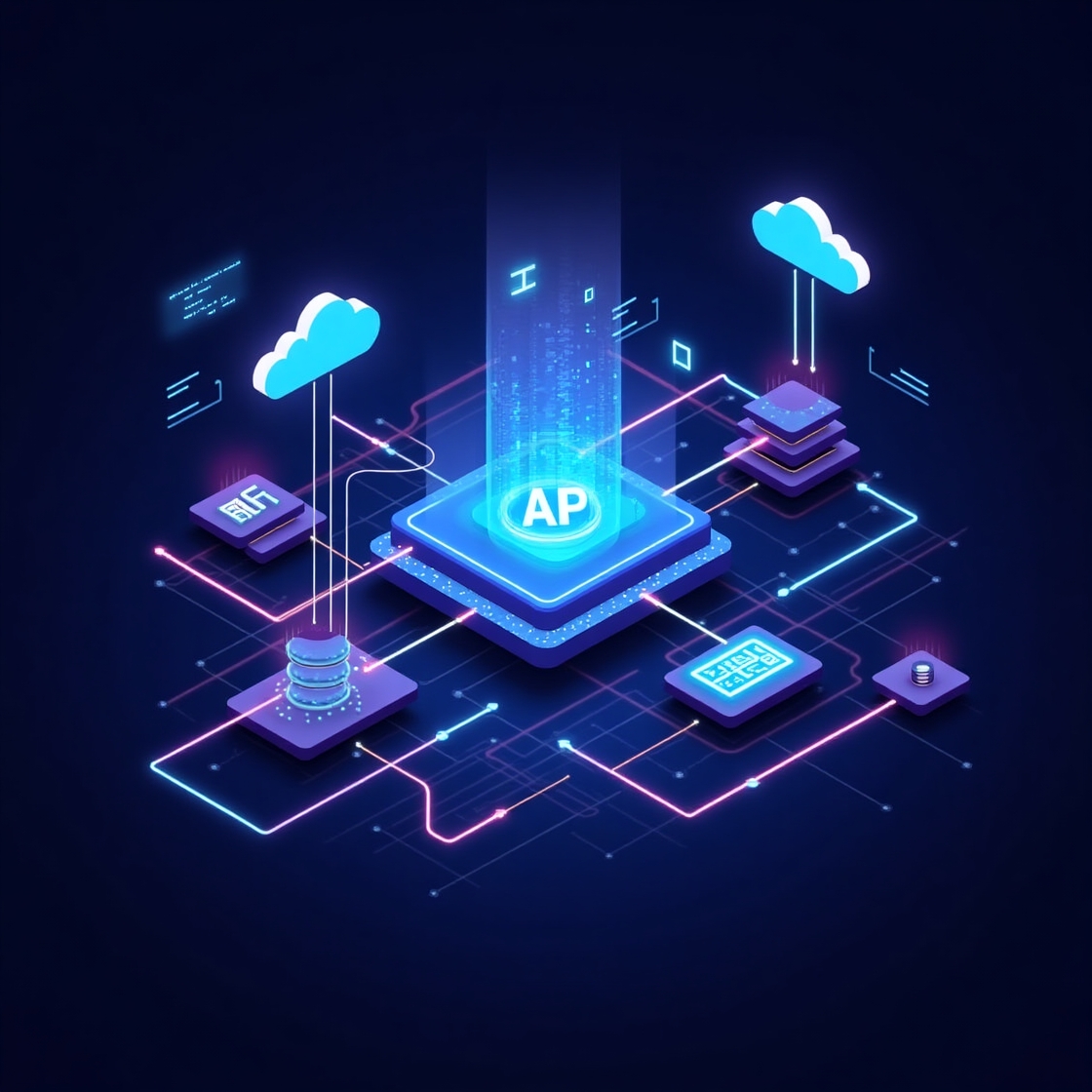
Powering Modern Applications
Introduction
APIs (Application Programming Interfaces) are a fundamental part of modern software development. They allow different applications to communicate with each other, enabling seamless integration and functionality. From social media logins to payment gateways, APIs play a crucial role in digital experiences.
What is an API?
An API is a set of rules and protocols that allow different software applications to interact. It defines how requests and responses should be structured, enabling communication between different systems without exposing their internal workings.
Types of APIs
RESTful APIs – Based on HTTP, RESTful APIs use standard methods (GET, POST, PUT, DELETE) for communication and are widely used in web applications.
GraphQL APIs – Allow clients to request specific data, reducing over-fetching and under-fetching issues common in REST.
SOAP APIs – Use XML messaging for secure, structured communication, often used in enterprise solutions.
WebSockets – Enable real-time, two-way communication between a client and server, ideal for chat applications and live updates.
How APIs Work
Request – A client (such as a web or mobile app) sends a request to the API server.
Processing – The API processes the request and interacts with the database or another service.
Response – The API returns the requested data or an appropriate response to the client.
Why APIs Matter
Enhance Functionality – APIs integrate third-party services like payment systems (PayPal, Stripe) and social logins (Google, Facebook).
Improve Efficiency – Reduce development time by utilizing pre-built functionalities instead of building from scratch.
Enable Scalability – Allow applications to grow by connecting to cloud-based and microservices architectures.
Support Automation – APIs facilitate automation by enabling software to communicate without human intervention.
Common Use Cases of APIs
Social Media Integration – Embed social sharing, login, or feeds into applications.
E-commerce & Payments – Process transactions using APIs like PayPal, Stripe, or Razorpay.
Weather & Geolocation Services – Use APIs to fetch real-time weather updates or location-based data.
AI & Machine Learning – Access AI-driven services like natural language processing (NLP) or image recognition.
Best Practices for API Development
Use Proper Authentication & Authorization – Implement OAuth, API keys, or JWT for security.
Follow RESTful Principles – Maintain a clear and consistent URL structure.
Optimize Performance – Use caching, rate limiting, and efficient database queries.
Provide Clear Documentation – Ensure developers can easily understand and use your API.
Future of APIs
With the rise of cloud computing, AI, and IoT, APIs will continue to evolve. Serverless APIs, decentralized API architectures, and AI-powered automation will shape the future of digital interactions.
Conclusion
APIs are the backbone of modern software development, enabling connectivity, automation, and enhanced functionality. Whether you're building web apps, mobile apps, or enterprise solutions, mastering API integration is essential. Keep learning, experimenting, and building!